
 One of the precepts of the Getting Things Done or GTDÂ methodology is that it’s not necessary to prioritize your Next Actions in advance, nor is it recommended. For one thing, priorities change. What seems important today might be completely unnecessary a week from today.
Also, priorities are contextual. Picking up a new cartridge for your laser printer is something you do while running errands, not at ten o’clock at night.
Priorities, then, should be established during your daily planning, which I contend should take place the night before, and “in the moment”.
To prioritize, review your action lists and determine what you want to do based on three factors: time, energy, and importance (priority).
So today, I may see a task that is important but will take a block of two hours and I don’t have that much time. Or it requires a fair amount of energy and I’m tired. Or I have lots of time but the task under consideration really isn’t that important. These tasks will have to wait.
Some people partially prioritize tasks as they add them to their lists, noting time (how much time they estimate the task will take) and energy (how much they will need, i.e., low, medium, or high). This way, when they don’t have a lot of time or energy, they can scan their lists to find tasks that match.
I usually don’t prioritize in advance. I add a lot of tasks to my list each day and I don’t want to take the time to think about whether something will take ten minutes or twenty minutes or whether I will need high energy or just medium. To some extent, I make these decisions when I review my lists and often, I simply choose what I am inspired to do.
This week is Thanksgiving week in the United States. Some people are working like crazy to clear their desks before the long weekend and some are already in “vacation mode”. If you are in the latter category, at work but finding yourself unable to get much done, go through your lists and look for low time/low energy activities you can do.
If you have “vacation brain” and don’t have a list of low energy tasks to dig through, or your list doesn’t inspire you to take action, check out this list of mindless, but productive tasks that inspired this post.
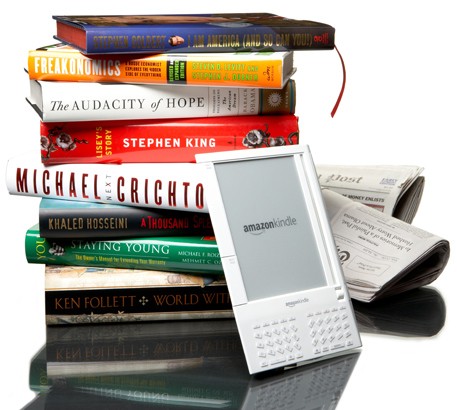
Or, if you’re like me, you’ll just catch up on your reading.












How to get free content for your blog
First, don’t assume you need to spend hours writing your posts. As I’ve written before, a post can be a few paragraphs that take just a few minutes to write. It can be as simple as taking something you read online and adding your comments. Tell why you agree, or disagree, link to another post that provides a different viewpoint or additional information, or share a story from your practice that illustrates the points in the article.
For longer posts, you have several alternatives:
One of the best ways to get original content for your blog is through guest posts. Someone else writes the post in return for a byline and link to their blog.
The benefits to you are
The benefits to the guest blogger are
Now, what’s good for the goose is good for the gander. If guest posts are a good way to get exposure and traffic, why not offer to do some guest posting yourself? Find blogs that write for your target market and offer to do a guest post. Here are 21 tips for landing guest posts.
Perhaps the biggest benefit of guest posts is that they allow both parties to make a new connection. This can lead to referrals, introductions, advice, interviews, endorsements, networking and cross marketing opportunities.
Start looking for blogs that reach your target market. Invite them to write a guest post for your blog or offer to do the same for theirs.